Yoonseo Zoh


I’m a PhD candidate in Psychology at Princeton University.

I study how people form moral and social judgments under cognitive constraints — how these judgments evolve across cultures, and how emerging technologies are reshaping them.

Publications

Moral dilemmas often pit harm to one person against the welfare of many. Here, we examined whether choosing to protect an individual in …

What are the consequences of holding different intuitive moral theories? Do distinct moral theories shape how people represent and …

A transformative experience is epistemically revelatory and life-changing. When faced with transformative decisions, the lack of …

Humans have an exceptional ability to cooperate relative to many other species. We review the neural mechanisms supporting human …

Trust in leaders is central to citizen compliance with public policies. One potential determinant of trust is how leaders resolve …

Historical principles in distributive decision-making are common, politically variable and malleable (submitted)

Theories of distributive justice highlight different approaches for how people ought to allocate scarce resources. End-result …

Selected Publications

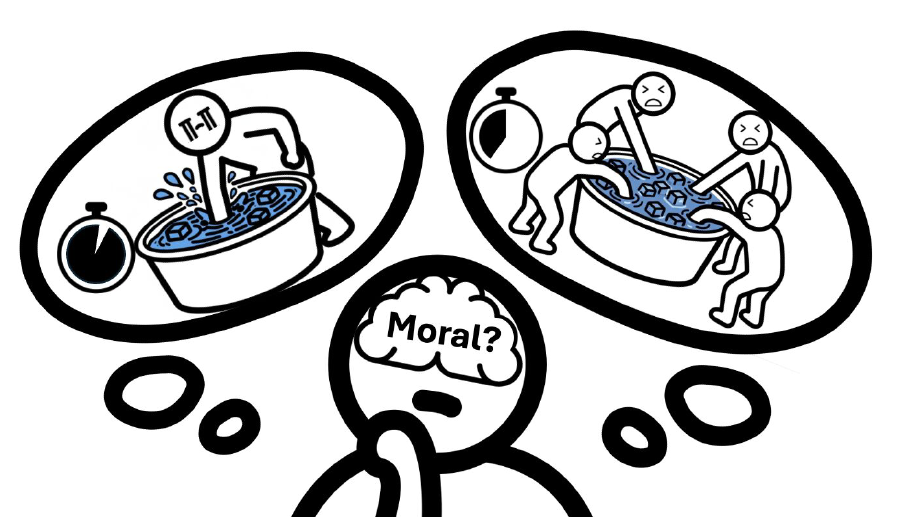
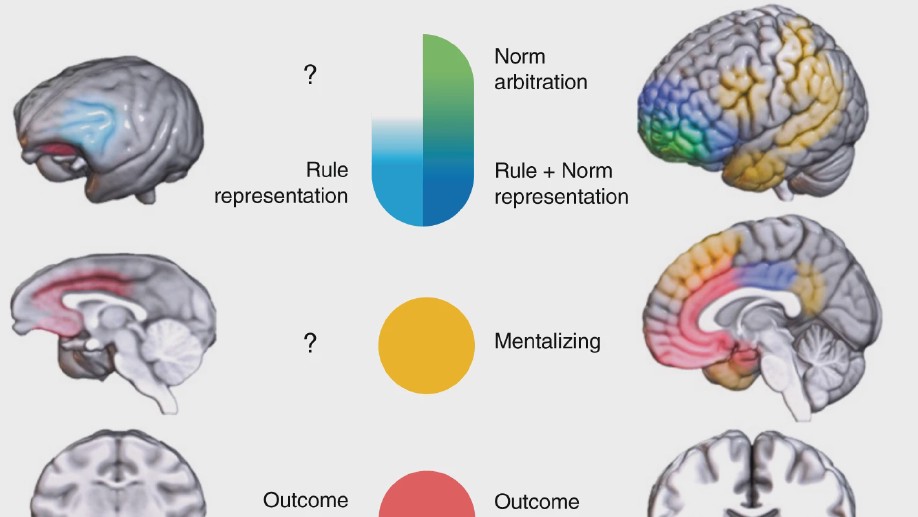
Moral dilemmas often pit harm to one person against the welfare of many. Here, we examined whether choosing to protect an individual in such a scenario reflects a single process or arises from multiple mechanisms. Combining computational modeling with neuroimaging, we show that concern for harming an individual separates into two distinct dimensions: minimizing maximum harm to an individual and setting a threshold for acceptable harm. These dimensions drove distinct patterns of moral choice and engaged separable neural regions. Our findings demonstrate that the moral concern about harming an individual is multidimensional, uncovering the neurocomputational mechanisms by which people weigh consideration for individuals against the welfare of the group.
In PNAS nexus, 2026

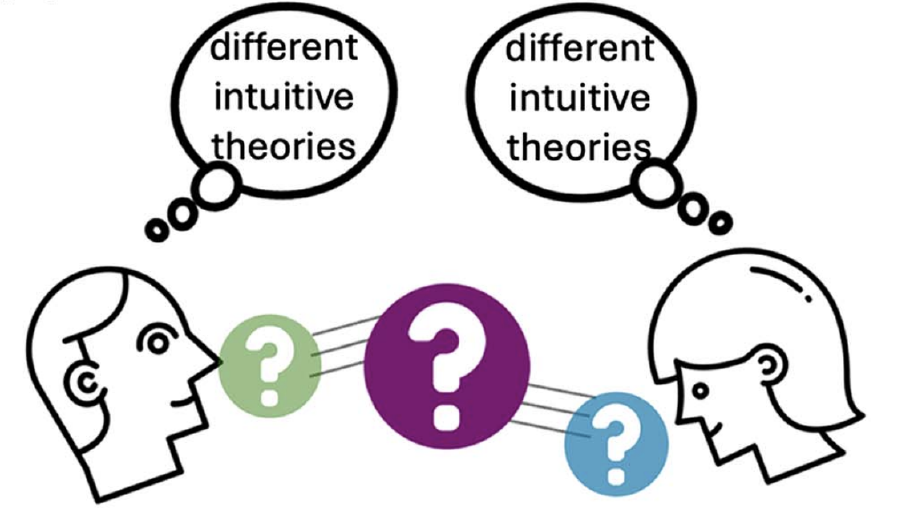
What are the consequences of holding different intuitive moral theories? Do distinct moral theories shape how people represent and reason about moral problems—and do these effects extend beyond contexts directly tied to a theory’s content? Recent research suggests that individual differences in utilitarian tendencies fall along two dimensions: a permissive attitude toward harming others for greater good (instrumental harm) and an impartial concern for others’ welfare (impartial beneficence). We conceptualized these dimensions as distinct intuitive moral theories that frame different patterns of moral judgment and behavior.
In JEP:General., 2025

A transformative experience is epistemically revelatory and life-changing. When faced with transformative decisions, the lack of relevant life experience means people cannot predict their future subjective values (‘what it will be like’), making it impossible to make rational decisions. Here, we provide empirical support for this decision-theoretic bind by showing that evaluability bias manifests in transformative decisions: even if individuals value information about subjective value, they may assign low importance to subjective value due to its inherent difficulty in evaluation.
In Synthese, 2024

Humans have an exceptional ability to cooperate relative to many other species. We review the neural mechanisms supporting human cooperation, focusing on the prefrontal cortex. Taking a comparative approach, we consider shared and unique aspects of cooperative behaviors in humans relative to nonhuman primates, as well as divergences in brain structure that might support uniquely human aspects of cooperation.
In Neuropsychopharmacology, 2021
Projects

*

Decision-making


How do we make decisions regarding transformative experiences, given that these very experiences could potentially change our preferences?

How does our cognitive representation of the experiences of others, which are outside our own lived experiences, shape the social decisions we make?

Epistemic Humility


What cognitive mechanisms underlie our (in)ability to acknowledge the limits of comprehending others’ lived experiences?

What are the interventions that can foster epistemic humility, and which cognitive processes could be targeted?

Moral Norm & Ethics


Whether and how do moral norms culturally evolve?

How do we adjudicate between different moral principles when they conflict?

What are cognitive subcomponents of utilitarianism and deontology?

Accomplish­ments

Graduate Research Support

This funding supports graduate research at Princeton in cognitive science, specifically to initiate new lines of interdisciplinary research in the field.

The G. Mason Morfit ’97 Fellowship

The program offers financial support to graduate students from Princeton University, who are engaged in studies in the domain of behavioral science and public policy. Selection of the recipients is based on the outstanding academic progress and the projected path of future research

Overseas PhD Scholarship

The program selects outstanding students in the fields of social sciences, natural sciences, and Computer science, and Electrical Engineering, providing financial and moral support and encouraging these students to become world class scholars who will open dialogues with the international academic community and who will serve as an engine for national development.

Skills

Python

Nipype, Nilearn, Pandas, Numpy, Matplotlib, Scikit-learn, Psychopy

R

ggplot2, rstan, glmer, dplyr, R Markdown

MATLAB

SPM12, glmnet

html

jspsych, online behavior experiment

Adobe

Photoshop, Premiere pro

git

git, github

Contact

  • Peretsman Scully Hall 330